
Coronary artery disease treatment involves making some serious life changes and taking the medication prescribed by your doctor. Doing so gives you the best chance at living a full, healthy life.
According to the CDC, roughly 1 in 20 adults has coronary artery disease (CAD). It's the most common type of heart disease and kills hundreds of thousands every year. Remaining in good health means you can explore areas like the Mooney Grove Park in Visalia, CA.
Here's your guide on cardiac treatment options for seniors.
Understanding Coronary Artery Disease In Older Adults
Coronary artery disease develops when fatty deposits, cholesterol, and calcium accumulate along the inner walls of the coronary arteries. This buildup restricts blood flow to the heart muscle. It increases the risk of chest pain, shortness of breath, and heart failure.
Aging and heart health often go hand-in-hand, as CAD tends to present itself more in older individuals. In seniors, early symptoms include fatigue, reduced exercise tolerance, or mild discomfort.
Other causes and risk factors include:
- Foods with saturated or trans fats
- Obesity and physical inactivity
- Smoking and drug use
- Excess alcohol intake
- Chronic stress
- Untreated sleep apnea
Cardiac treatment in older adults often focuses on early detection, risk reduction, and personalized care plans.
Medication-Based Coronary Artery Disease Treatment
Medications form the foundation of coronary artery disease treatment for many seniors. These therapies help control symptoms, slow disease progression, and reduce the risk of complications.
Common medications include:
- Antiplatelet agents to reduce blood clot formation
- Statins to lower cholesterol and stabilize plaque
- Beta-blockers to reduce the heart workload and blood pressure
- Calcium channel blockers to improve blood flow
- Nitrates to relieve chest pain
For older adults, wellness in retirement means managing medication intake. They have to account for potential side effects, drug interactions, and kidney or liver function.
Minimally Invasive Cardiac Procedures
When medications alone aren't enough, your doctor may recommend minimally invasive cardiac treatment options. These procedures are well-tolerated by seniors when selected to match their needs and condition.
Angioplasty and Stent Placement
Angioplasty involves inserting a small balloon into the narrowed artery and inflating it to restore blood flow. A stent is usually placed to keep the artery open.
This procedure can improve symptoms and quality of life for seniors with localized blockages.
Coronary Artery Bypass Grafting (CABG)
For more extensive disease, bypass surgery may be necessary. Traditionally associated with higher risk in older patients, new advances in surgical techniques and postoperative care have made it a more viable option.
Treatment decisions depend on disease severity. Functional status and personal goals related to wellness in retirement also matter.
Cardiac Rehabilitation for Seniors
Cardiac rehab programs are often an underutilized component of senior heart care. These structured programs combine supervised exercise, education, and counseling to improve cardiovascular health.
For older adults, cardiac rehab helps:
- Improve physical endurance and strength
- Reduce the risk of future cardiac events
- Enhance confidence in daily activities
- Support emotional well-being
Programs are tailored to individual abilities and medical conditions. They're safe and effective for seniors seeking comprehensive cardiac treatment. Even something as simple as an indoor walking routine can make a big difference.
Can You Live a Long Life With Coronary Artery Disease?
Yes, many seniors live long, fulfilling lives with coronary artery disease when it is properly managed. Advances in CAD treatment have transformed it from a life-limiting diagnosis into a chronic, manageable condition for many older adults.
Longevity depends on several factors, including early diagnosis and adherence to treatment plans. You also have to consider control of risk factors and access to quality senior heart care.
Seniors who actively engage in their cardiac treatment often maintain good functional capacity for many years.
What Are the Lifestyle Modifications for Coronary Artery Disease?
Lifestyle changes play a critical role in managing coronary artery disease, particularly for seniors. These modifications complement medical and procedural treatments.
Key lifestyle strategies include:
- Heart-healthy nutrition
- Regular physical activity
- Smoking cessation
- Weight management
- Stress reduction
Food good for your heart includes fruits, vegetables, and learn proteins. Focus on healthy fats.
Walking, swimming, and low-impact aerobics are great options for physical activity. They help reduce stress and manage your weight.
What's most important is avoiding smoking or drinking alcohol. These can get in the way of improved cardiovascular health.
For seniors, small, consistent changes often yield significant benefits for heart care and long-term wellness in retirement.
Frequently Asked Questions
How Often Should Seniors With CAD See a Cardiologist?
Most seniors benefit from regular cardiology visits every six to twelve months. They may want to go more frequently if symptoms change or treatment plans are adjusted.
Seniors should also pair these visits with trips to their primary care physician for more comprehensive care.
Is Chest Pain Always Present With CAD?
No. Seniors may experience subtle or atypical symptoms such as fatigue, dizziness, or shortness of breath instead of classic chest pain. Any severe chest pain should warrant a trip to the hospital.
Can Coronary Artery Disease Worsen With Age Even When Treated?
CAD is progressive, but appropriate coronary artery disease treatment can slow progression and reduce complications. In an ideal situation, seniors should be able to live a full life without CAD being a major obstruction.
Are Alternative Therapies Helpful?
Some complementary approaches, such as meditation or yoga, may support stress management. However, they should never replace medical cardiac treatment. Only use them in conjunction with more traditional treatment options.
The same applies to any herbal remedies, such as teas or aromatherapy.
Pursue Coronary Artery Disease Treatment
Coronary artery disease treatment for seniors has evolved to prioritize longevity, comfort, and quality of life. Older adults can manage CAD now with a combination of medications, lifestyle changes, and comprehensive senior heart care. By focusing on heart health, seniors can continue to live meaningful, fulfilling lives years after a CAD diagnosis.
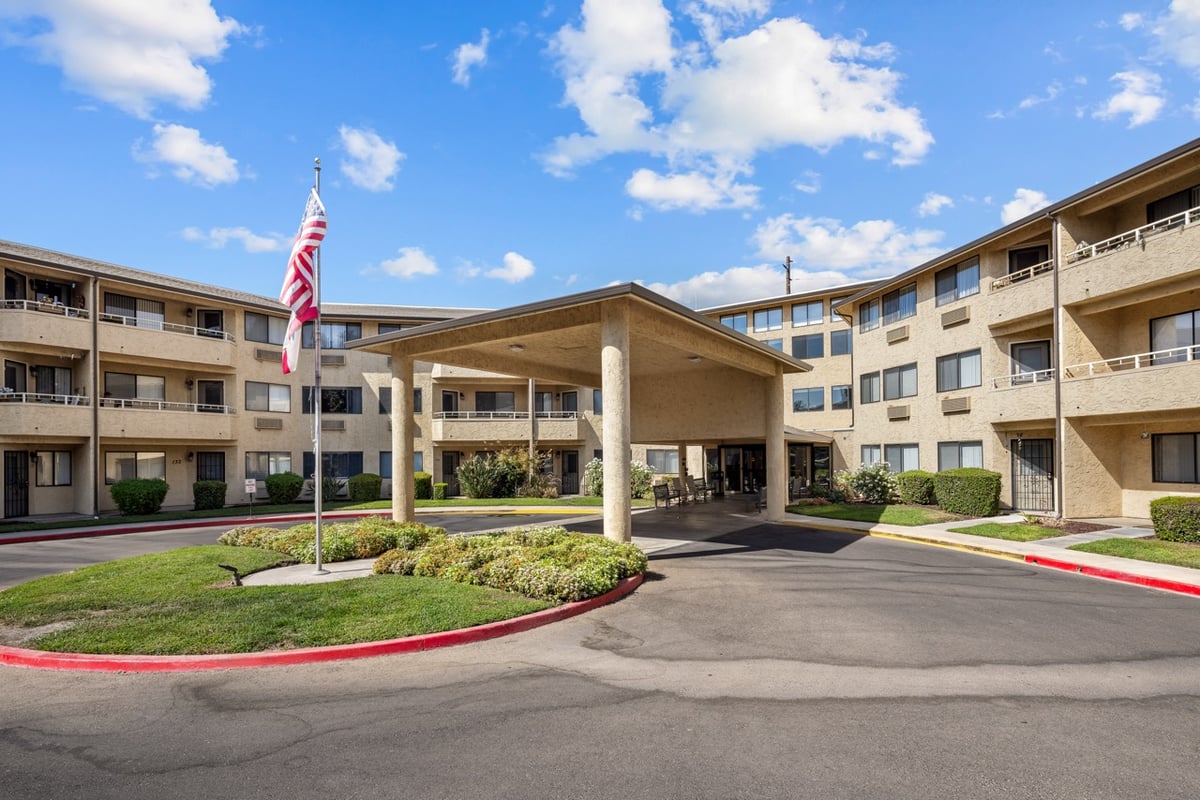
Walnut Park is a senior living community that offers independent living with some assistance. Our residents in Visalia, CA, enjoy pet-friendly apartment homes and a variety of community spaces. Contact us with any questions and to schedule a tour.