
Summary
If you're asking "is my house right for me anymore?", recognizing key changes in your daily life can help you decide whether to stay or explore new options. This guide helps residents in Visalia, CA, evaluate whether their current home still meets their needs.
- Physical accessibility challenges like stairs, narrow doorways, and bathroom safety issues often signal it's time to reassess your living space
- Mounting maintenance demands, yard work, and unexpected repair costs can become overwhelming as homes age
- Unused rooms that still require heating, cooling, and cleaning indicate your square footage may no longer match how you actually live
- Social isolation and distance from friends affect your wellbeing as much as physical factors do
- Independent Living with supportive services** communities offer maintained homes and built-in connection while preserving your autonomy and choice
Your home has been the backdrop to countless memories, but as life changes, so do your needs. Many older adults in Visalia, CA, find themselves asking, "Is my house right for me anymore?" It's worth sitting with that question, especially once daily routines start to feel harder, or the house feels too big to keep up with comfortably.
Recognizing the signs that your current home no longer fits into your life can help you make informed decisions before frustration sets in. Whether you're worn out from managing a multi-story house, struggling to keep up with yard work, or finding that rooms go unused, these indicators are worth a closer look. Here are a few key factors that can help with evaluating home needs for seniors in Visalia.
Physical Accessibility & Daily Navigation
One of the clearest signs that your home may no longer suit your needs is how easily you move through it each day. Stairs that once seemed manageable can become real obstacles, particularly if bedrooms or the laundry room sit on a different floor. Common accessibility challenges include:
- Narrow doorways that limit mobility.
- High bathtub ledges that pose safety risks.
- A lack of grab bars in bathrooms.
- Multiple floor levels that require frequent stair navigation.
Think honestly about how your home's layout affects your day. Do you avoid certain rooms because they're hard to reach or present a fall risk? Have you moved your bedroom downstairs just to skip the stairs? These workarounds, while resourceful, often signal that your space no longer supports the life you actually want to live.
Maintenance Demands & Outdoor Responsibilities
The Central Valley lifestyle often comes with yard maintenance, landscaping, and seasonal upkeep. When your house becomes too big in Visalia, CA, the yard and exterior can be the first things to feel unmanageable. Mowing, watering, and clearing gutters all add up fast. Add in repairs, heating and air conditioning servicing, and roof inspections, and the list only grows as a home ages. If you're putting off repairs or feeling stressed about upkeep, your home may be asking more of you than you want to give.
There's a financial side, too. Unexpected repairs strain budgets, and hiring out tasks you once handled yourself gets expensive fast. That ongoing expense is a real part of the true cost of staying in your current home vs. moving to a setting with more support built in.
Space Utilization & Practical Needs
Take a mental walk through your home. How many rooms do you actually use? Many people discover they're heating, cooling, and cleaning three or four bedrooms while living mostly in one or two. That's a reality that brings the "Is my house right for me anymore?" question back to the surface, this time from a practical angle.
Extra space still requires cleaning, climate control, and upkeep, whether you use it or not. If you've started closing off rooms to cut down on maintenance or utility bills, your home may have simply outgrown its usefulness.
The kitchen that once hosted big family dinners might feel oversized for daily meals, and the formal dining room may sit untouched. A home assessment checklist for seniors is a useful starting point: note which rooms you use daily, which sit empty, and whether your square footage still matches how you actually live.
Social Connection & Staying Engaged
Your home's location has a lot to do with how connected you stay to the people around you. If friends have moved away, family lives across town, or the neighborhood feels quieter than it used to, that matters just as much as any physical factor. Visalia has plenty to offer, but distance and transportation can make it harder to reach when you're managing the logistics alone.
Think about how often you actually see neighbors or take part in local events these days. Many people find that staying in their current home vs. moving to a more social setting means trading connection for familiarity.
A home can hold real sentimental value, but it can't replace the day-to-day interaction that comes from being around other people. Since loneliness affects wellbeing in measurable ways, this is worth serious consideration when rethinking housing needs for senior living.
Safety Considerations & Emergency Preparedness
Living on your own means handling emergencies on your own, too. A few safety factors worth weighing:
- How secure you feel overnight.
- Whether reliable help is nearby if something goes wrong.
- How easily you could reach a phone or alert someone if needed.
- Fire safety systems and security measures already in place.
Home safety goes beyond preventing falls. It also covers fire safety, security, and how quickly you could get help if you needed it. Thinking this through honestly doesn't mean giving up your autonomy. It means making sure the right support is in place so you can keep living confidently, on your own terms.
Exploring Independent Living with supportive services**
If you've recognized that your current home no longer fully supports your life, exploring other options doesn't mean giving up personal choice. An Independent Living with supportive services** community is built around that balance: you keep control over daily life, while help is there if and when you want it.
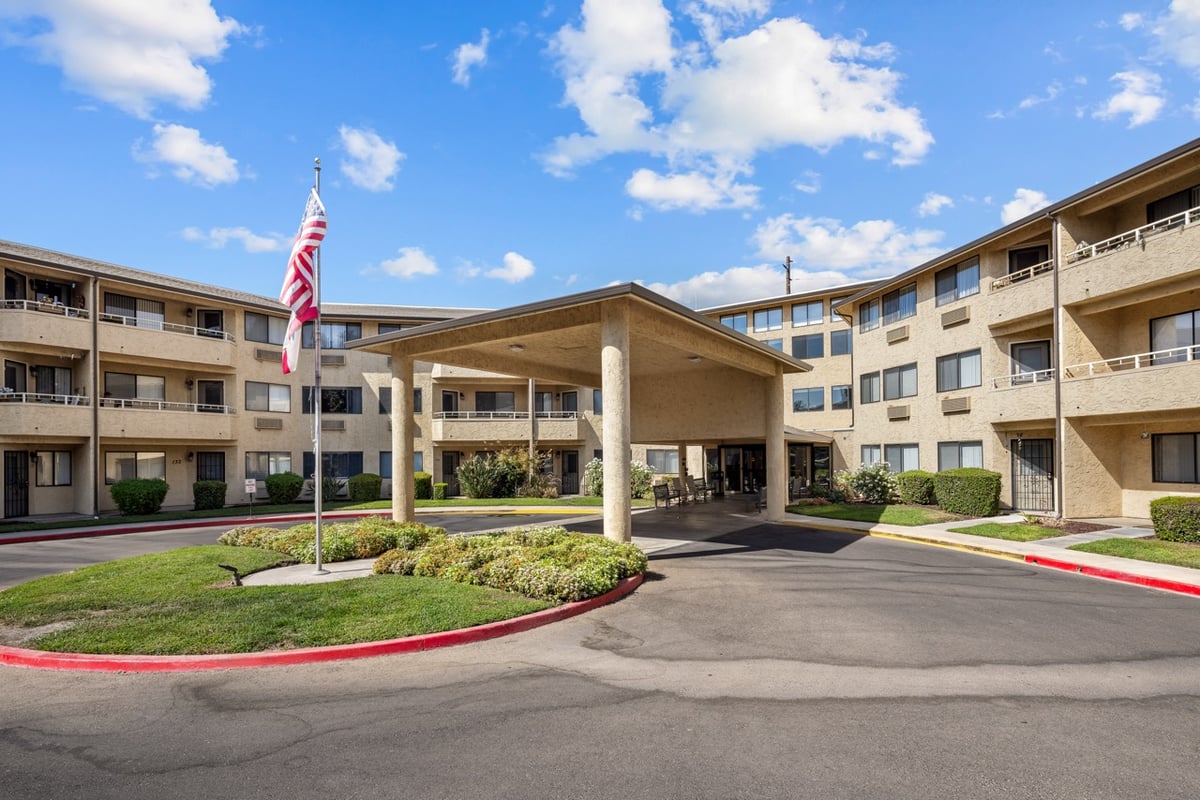
Walnut Park in Visalia, CA, is designed around that idea. Residents spend their time on programs they actually enjoy rather than on upkeep, with chef-prepared meals, housekeeping, and a full calendar of programs and events included. A look at the apartment home floor plans shows just how many layouts are available, from cozy suites to two-bedroom homes.
Our Independent Living with supportive services** community is designed to support your independence while offering access to additional help—only when and if you want it. A choice of third-party providers is available onsite for your convenience, but you are under no obligation to use any particular one. This flexible approach is perfect for individuals or couples with varied needs. Extend your independent lifestyle by choosing to make our community your home.
Frequently Asked Questions
How Do I Know It's Really Time for a Move to Senior Living?
Avoiding parts of your own home, feeling isolated, or dreading the next repair bill are all strong signs it's worth exploring your options.
What Does "Independent Living with supportive services**" Mean?
You keep your own apartment home and your autonomy, with optional third-party support available on-site only if you want it.
Will I Lose Personal Choice and Autonomy if I Move to a Senior Living Community?
No. The senior living model is built around keeping your control of daily life intact while removing the upkeep and isolation of a home that no longer fits.
Making the Senior Living Decision That's Right for You
Only you can decide whether your current home still fits the life you want, but you don't have to sort through it alone. If loneliness, upkeep, or safety concerns keep coming up, consider your alternatives. Schedule a personalized tour of Walnut Park to see our apartment homes and get your questions answered in person.
A choice of third-party providers is available onsite for convenience, but residents are under no obligation to use any particular one.